
Tag Archive for: civil engineering

Opening Spring 2026

The Thrasher Group announced the opening of a new office in Huntington, West Virginia — marking the firm’s continued investment in the communities and clients it serves across southwestern West Virginia and the broader Tri-State region.

The Huntington office location will extend Thrasher’s reach into one of West Virginia’s most important regional hubs, bringing the firm’s full-service architecture, engineering, and field services capabilities closer to the clients, projects, and communities that define this part of the state.


Serving the Tri-State Region

Huntington sits at the crossroads of West Virginia, Kentucky, and Ohio — a region with significant infrastructure needs, active development, and a long history of resilience. Thrasher has been engaged in meaningful work across southwestern West Virginia for years, and this new office reflects a natural and deliberate next step: establishing a permanent, local presence to better serve the people and partners who call this region home.

From water and wastewater infrastructure to transportation, site development, and public facilities, Thrasher’s team will be positioned to respond more quickly, collaborate more closely, and deliver the kind of results that come from being genuinely embedded in a community.


Leadership

The Huntington office will be led by Kevin Price, Aviation Development Manager, who brings focused expertise and strong regional relationships to this new chapter for the firm. Kevin’s background in aviation development and infrastructure positions Thrasher well to pursue opportunities across the Huntington area, southwestern West Virginia, and the Tri-State region — including airport improvement projects, capital planning, and the full range of services Thrasher provides to public and private clients.


A Growing Footprint, A Consistent Mission

The Huntington office joins Thrasher’s network of locations across West Virginia and the Mid-Atlantic — each one a reflection of the firm’s core belief that the best work happens when you’re genuinely part of the communities you serve. Since 1983, Thrasher has built its reputation not just on technical capability, but on long-term relationships and a track record of delivering projects that improve people’s lives.

Southwestern West Virginia and the Ohio River Valley deserve that same level of partnership. This office is our commitment to making it happen.

More details on the official opening date and location will be announced soon. To connect with our Huntington team in the meantime, visit thethrashergroup.com or contact us directly.


The Thrasher Group is a full-service architecture, engineering, and survey firm headquartered in Bridgeport, West Virginia. Founded in 1983, Thrasher is the largest privately owned firm of its kind in West Virginia and serves clients across the Mid-Atlantic region.


We believe that great outdoor spaces don’t just happen — they’re intentionally planned, professionally designed, and rooted in a deep understanding of how people interact with the environment. Our Outdoor Planning & Recreation team brings together planners, engineers, landscape architects, and environmental specialists to create experiences that inspire adventure, support healthy communities, and protect natural resources.

We believe that great outdoor spaces don’t just happen — they’re intentionally planned, professionally designed, and rooted in a deep understanding of how people interact with the environment. Our Outdoor Planning & Recreation team brings together planners, engineers, landscape architects, and environmental specialists to create experiences that inspire adventure, support healthy communities, and protect natural resources.

community trail

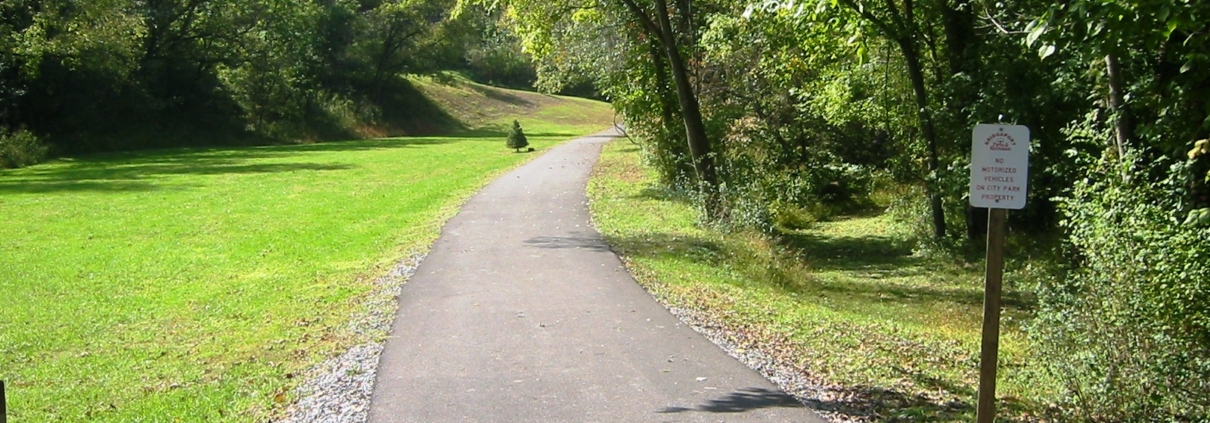
Developing a community biking and walking trail system requires careful consideration of environmental impact, safety and accessibility, and connectivity. By addressing these key areas, developers can create a sustainable, safe, and well-connected trail system that benefits the entire community.

1. Environmental Impact and Sustainability

When planning a community biking and walking trail system, it’s crucial to consider the environmental impact and sustainability of the project. This involves conducting thorough environmental assessments to understand the existing ecosystems and wildlife. The goal is to minimize disruption to natural habitats and ensure that the trail system coexists harmoniously with the environment.

Using eco-friendly materials and construction methods can significantly reduce the project’s environmental footprint. Implementing permeable surfaces for the trails can aid in proper water drainage and reduce runoff, thereby protecting nearby water bodies from pollution. Furthermore, incorporating native plants in landscaping can enhance biodiversity and provide natural beauty to the trail system. Native plants also help stabilize banks, protect against erosion, and reduce stormwater pollution.

2. Safety and Accessibility

Safety and accessibility are paramount in the design and development of a trail system. Ensuring that trails are wide enough to accommodate both bikers and walkers without congestion is essential. The trail surfaces should be smooth and well-maintained to prevent accidents. Additionally, proper lighting, signage, and clear markings can enhance safety, especially in areas with heavy traffic or intersections.

Accessibility is another critical aspect. Trails should be designed to be inclusive, catering to people of all ages and abilities. This means incorporating features such as ramps, handrails, and rest areas to support those with mobility challenges. Adhering to ADA (Americans with Disabilities Act) guidelines is not only a legal requirement but also a social responsibility to ensure that everyone can enjoy the community trail system.

3. Connectivity and Integration

For a community biking and walking trail system to be truly effective, it must be well-integrated with existing infrastructure. This involves connecting the trail system to major residential areas, parks, schools, and commercial centers. The goal is to create a seamless network that encourages residents to use the trails for commuting, recreation, and daily activities.

Collaboration with urban planners and transportation officials is essential to ensure that the trail system complements other modes of transportation. This may include installing bike racks at transit stops, creating safe crossings at busy roads, and providing wayfinding tools to help users navigate the trail network. The integration of technology, such as mobile apps and interactive maps, can further enhance user experience by providing real-time information and route suggestions.

For more information about Thrasher’s landscape architecture services, visit the Site/Civil Engineering page.